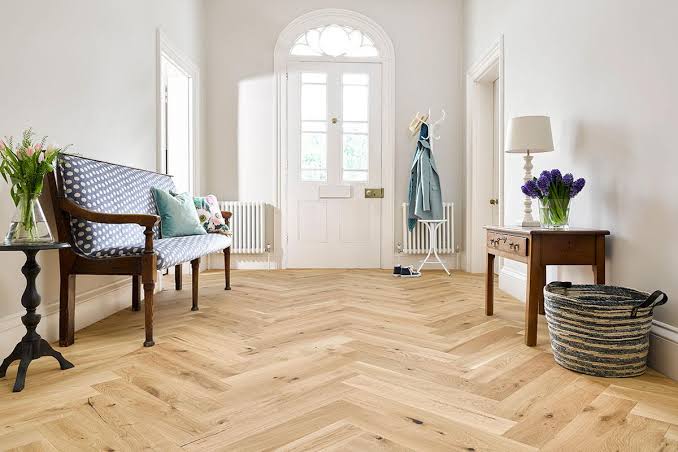
What Makes Engineered Oak Floorboards a Practical Design Choice
Engineered oak floorboards bring timber character into rooms that see real use, from morning traffic to evening clean-ups. Their layered construction helps control seasonal movement, while the oak wear layer gives visible grain, warmth, and depth. This balance suits homes where appearance matters, yet stability cannot be treated as optional. For renovators, designers, and builders, the material offers a measured way to specify timber with fewer site risks.
Built for Real Homes
Timber flooring needs more than surface appeal, because family rooms, kitchens, and hallways place steady pressure on every board. Engineered oak floorboards use a real oak top layer bonded to a structured core, which helps manage expansion, contraction, and small humidity shifts during normal indoor living.
Stable Layered Construction
A solid plank responds strongly to moisture and temperature. Engineered oak reduces that reaction through layers set in opposing directions. This cross-built format improves dimensional control across wider boards. It also supports interiors with heating, cooling, and large glass openings, where indoor conditions can change quickly.
Natural Oak Character
Oak adds visual movement to a floor without making a room feel busy. Grain, mineral streaks, knots, and colour variation create a surface that looks lived-in from day one. Lighter tones can soften compact spaces. Deeper stains bring definition beside pale walls, stone benchtops, or simple joinery.
Practical Finish Options
Factory finishes help reduce site disruption and coating uncertainty. Matte lacquer, oil, brushed textures, and aluminium oxide coatings each offer a different balance of feel and wear resistance. A low-sheen surface often hides small scuffs better than a gloss finish. Texture can also disguise chair marks, fine dust, and shoe traffic.
Useful Board Sizes
Board size changes how a room reads. Wider planks reduce the number of visible joins, which can make open areas feel calmer. Longer lengths draw the eye through halls and living zones. Thickness also affects transitions, subfloor preparation, and compatibility with existing doors or adjoining finishes.
Installation Flexibility
Engineered oak can be installed in several ways, provided the product and subfloor are suited to the method. Floating systems may suit faster renovations. Glue-down installation can give a firmer acoustic feel. Nail-down fixing remains useful on compatible timber substrates, especially where traditional trade practice is preferred.
Better Moisture Response
Timber still needs careful moisture control, yet engineered oak copes better with ordinary indoor variation than many solid boards. Its core limits swelling and shrinkage when humidity rises or falls. Kitchens and entries benefit from that added control. Spills should still be wiped promptly to protect the coating.
Comfort Underfoot
Oak feels warmer than tile, stone, or polished concrete. That matters in bedrooms, family rooms, and apartments where comfort shapes daily use. With the right underlay, a floating floor can also soften footfall noise. Good acoustic planning helps shared homes feel quieter and more settled.
Design Range
Pale oak, washed finishes, and soft beige tones lift natural light across the floor plane. These colours pair well with white walls, limestone, linen fabrics, and restrained joinery. They are useful where a room needs brightness without a cold finish.
Smoked, grey, mink, and rich brown finishes create a stronger contrast. They can ground open rooms with pale furniture or metal details. Careful lighting is important because darker boards show dust sooner and need balance from rugs, daylight, or warm wall colour.
Care That Fits Routine
Good maintenance is simple but consistent. Grit should be removed with a soft vacuum head before it scratches the finish. Dry mopping handles fine dust between deeper cleans. Damp cleaning needs timber-safe products and minimal water. Felt pads under furniture reduce pressure marks from chairs, tables, and stools.
Cost and Value
Engineered oak uses premium timber where it is seen and touched, while the core provides stability below. That structure can make better use of oak compared with a full solid plank. Pre-finished boards may also shorten installation time. Over the years, broad design appeal and repair potential can support resale confidence.
Sustainability Factors
Flooring covers a large surface area, so material sourcing deserves attention. Engineered construction can extend the use of valuable oak across more boards than solid timber. Buyers should ask about origin, certification, finish chemistry, and maintenance requirements. Clear product information helps match design goals with responsible selection and long service life.
Conclusion
Engineered oak floorboards earn their place through practical performance, natural texture, and design flexibility. The layered build helps manage movement, while the oak surface delivers the grain people expect from real timber. Finish choice, board size, and installation method can be matched to site conditions. With sensible care and informed product selection, this flooring can serve busy interiors while keeping a refined timber presence.