Introduction
Carpet stains feel stubborn because fibers trap liquid, oil, and fine soil below the surface. Quick action improves results, yet the wrong method can spread the mess or set color deeper. Households often need a simple plan that matches the mark, protects texture, and limits residue. With a few tested steps, most spots become far easier to manage, even before a professional visit becomes necessary.
Act Fast
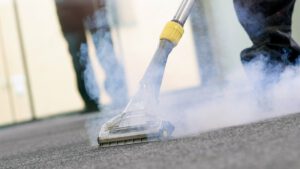
Many fresh spills respond best within the first 10 to 15 minutes, before pigments settle into the pile. For homes that need deeper help after a failed attempt, guidance on Carpet Cleaning in Bunbury can support safer treatment choices. That matters most with wool, pale tones, pet accidents, and large drink spills, where delay often increases odor, shadowing, or permanent discoloration.
Blot, Do Not Scrub
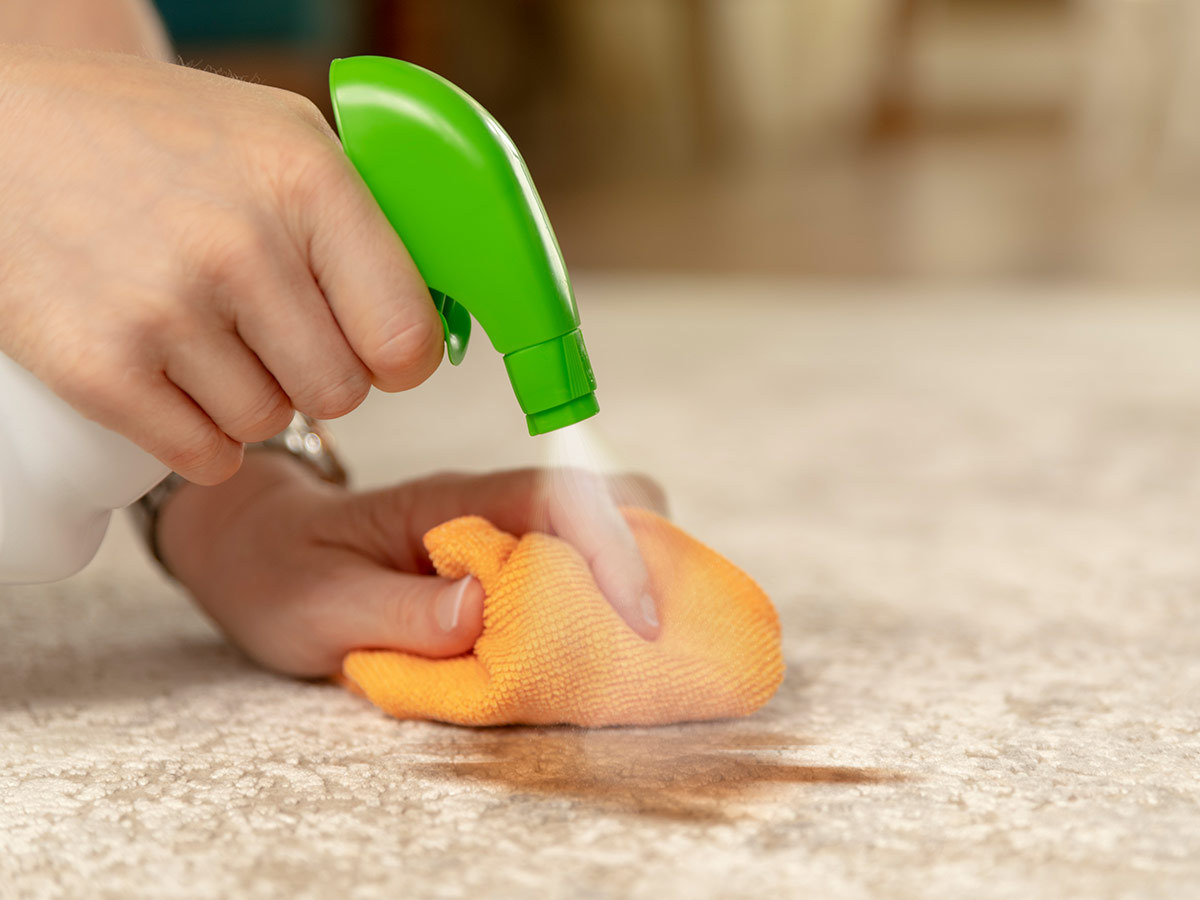
Scrubbing pushes moisture downward and roughens delicate strands. Instead, pressure from a clean white cloth lifts liquid without widening the spot. Paper towels also work, though fresh sections should replace soaked ones quickly. Gentle dabbing from the outside inward helps contain spread. This simple habit often prevents a small accident from turning into a broad, dull patch.
Match the Method to the Mark
Protein, oil, dye, and dirt each behave differently. Food spills usually need mild detergent, while greasy residue responds better to a small amount of dish liquid. Colored drinks often improve with vinegar and water. Mud requires patience before removal begins. A wrong cleaner can fix a stain more firmly, so identifying the source first saves time and avoids extra damage.
Food and Sauce Spots
Fresh sauce stains should be blotted first, then treated with a mix of warm water and a few drops of dish liquid. A light rinse helps remove soap after lifting the mark. Tomato-based spills may leave color behind, so repeating short treatments works better than soaking the area. Heavy saturation can spread pigment into backing, which makes later recovery harder.
Grease and Oil Marks
Cooking oil, makeup, and body lotion leave clingy residue that attracts soil after the first cleanup. A small amount of clear dish liquid in warm water can break that film. Cotton cloths should be used sparingly damp, never wet. After blotting, a plain water rinse removes leftover cleaner. Residue control matters because sticky fibers collect fresh dirt very quickly.
Wine, Coffee, and Juice
Dark drinks stain fast because tannins and dyes bind to carpet fibers. Cold water can dilute the spill immediately, while white vinegar may help loosen remaining color. Coffee often leaves a brown ring if too much liquid stays behind. Short blotting cycles work best. If the mark lightens but remains visible, the area may need deeper extraction rather than more home treatment.
Pet Accidents Need Special Care
Urine is more than a surface spill. Moisture can sink into underlay, while crystals remain after drying and reactivate during humid weather. Enzyme-based products help break down odor sources better than perfume sprays. Strong ammonia cleaners should be avoided because their smell can attract pets back to the same place. Repeated accidents usually need professional flushing to reach the lower layers.
Mud and Ground-In Soil
Mud should dry fully before cleanup starts. Once brittle, loose dirt can be vacuumed without smearing clay into the pile. Any trace left behind can then be treated with a mild detergent mix. Wet brushing usually creates a larger brown patch, which takes more effort to correct. Slow removal works better here, even if the result feels less dramatic at first.
Old Mystery Stains
Set-in spots often contain mixed residue from earlier attempts. Soap, bleach, or store products can alter fiber color and make diagnosis harder. A patch test in a hidden corner reduces risk before broader cleaning begins. If a mark changes shade during treatment, stopping early is wiser than forcing progress. Permanent damage often comes from overworking the area, rather than the stain itself.
Drying Matters
A cleaned spot should dry as fast as possible. Open windows, ceiling fans, or steady airflow can reduce wicking, where hidden soil rises back to the surface. Walking on damp carpet should be limited until fibers feel fully dry. Moisture left behind can trap new dirt within hours. Fast drying also lowers the chance of musty smells after larger spill cleanup.
Prevention Helps Most
Entry mats, shoe removal, and regular vacuuming cut the amount of grit that grinds stains deeper into fibers. Clear rules around drinks in carpeted rooms also reduce risk. Households with children or pets benefit from keeping clean cloths, white vinegar, and mild detergent ready in one place. A prepared response usually matters more than an expensive product bought after panic starts.
Conclusion
Tough carpet stains rarely need guesswork, but they do need speed, restraint, and the right match between spill type and cleaner. Blotting, light moisture control, and careful drying can improve most everyday accidents without harming the pile. Still, some marks sink deeper than surface tools can reach. In those cases, prompt expert treatment protects appearance, limits odor, and helps carpets last much longer.