Identifying and Fixing a Leaking Roof Before Damage Gets Worse
A leaking roof often announces itself quietly. A faint ceiling mark, a damp cupboard smell, or a swollen cornice can be the first sign. By the time water drips into a room, moisture may already have reached insulation, timber, and plasterboard. Early checks protect the structure and reduce repair costs. They also help owners separate a minor defect from a fault that requires a skilled assessment.
Act Early
After rain, stains near ceilings or walls should be checked before moisture spreads into framing, wiring, and insulation. Melbourne weather can quickly expose weak roof points, so leaking roof repair in Melbourne may help locate the entry point, assess tile condition, and stop concealed damp from causing deeper building damage.
Check Interior Clues
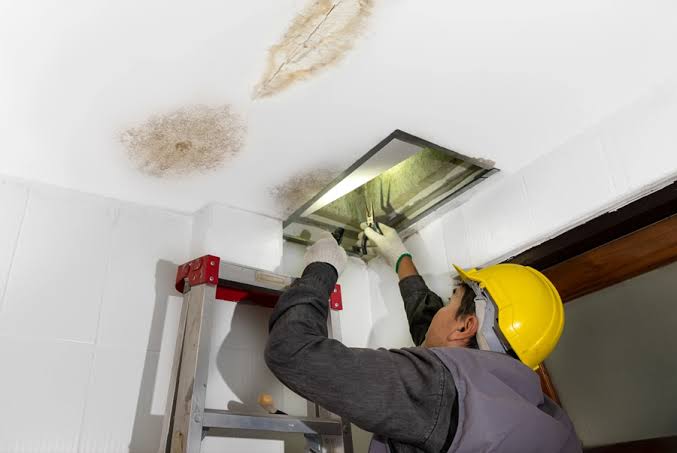
Inside the home, small details matter. Brown rings, blistered paint, musty rooms, and sagging plaster often point to repeated wetting. Fresh bubbling may signal active water movement. Cupboards, cornices, and light fittings need careful attention. Water can run along beams before it drops, so the stain below is rarely the exact point of entry.
Inspect After Rain
A post-rain inspection can reveal patterns that dry weather hides. In the roof cavity, dark patches, wet rafters, or shiny nail tips may show recent moisture. Wet roofing should never be walked on. From ground level, binoculars can help spot shifted tiles, cracked mortar, sagging gutters, or debris sitting in valleys.
Review Gutters
Blocked gutters often force water under the roof edges. Leaves, silt, and broken tile fragments can slow drainage during heavy rain. Downpipes should move runoff freely away from walls and footings. Overflow marks on fascia boards or external brickwork may show that water has escaped its channel and entered weak joints.
Look at Flashing
Flashing protects vulnerable joints around chimneys, skylights, vents, and wall intersections. Even a narrow gap can admit wind-driven rain. Rust, lifted edges, cracked sealant, and missing fasteners deserve prompt attention. Sealant alone may fail if metal has shifted, so the underlying movement should be corrected before any surface repair.
Assess the Tiles
Cracked, slipped, or porous tiles create direct entry points. Ridge capping can also split as bedding ages and mortar loosens. A roof may look sound from the street while several tiles sit out of line. Replacing damaged pieces and repairing loose caps helps keep rain away from battens, underlay, and ceiling spaces.
Trace the Path
Finding the source takes patience. Water may enter high on the roof, travel along timber, then appear several metres away. The search should begin above the indoor stain and move upward. Dust trails, mould spots, damp insulation, and timber marks can help trace moisture back to the opening.
Avoid Quick Guesswork
A fast patch on the most visible crack may miss the true defect. Random sealant can trap damp, block drainage, or hide damage from later inspection. Better results come from recording symptoms, checking likely entry points, and repairing the failed component. That approach reduces repeat leaks and keeps the roof working properly.
Limit Indoor Damage
While repairs are being arranged, furniture and stored items should be moved away from wet areas. A bucket can catch drips, and towels can protect the flooring. If plaster starts to bulge, professional advice is needed before touching it. Moisture near light fittings or wiring should always be treated as a safety concern.
Plan Repairs Properly
Sound repair planning starts with the cause, not the ceiling mark. Tile replacement, flashing adjustment, rebedding, repointing, gutter clearing, or valley work may be needed. Photos and notes help compare conditions before and after repairs. Clear records can also support insurance discussions when storm damage or sudden impact is involved.
Prevent Repeat Leaks
Routine checks reduce the chance of sudden leaks. Gutters should be cleared before storm seasons, and overhanging branches should be trimmed. Older roofs need periodic inspection, especially after hail, strong winds, or long wet periods. Small maintenance tasks can extend service life and keep moisture away from ceilings, framing, and stored belongings.
Conclusion
A leaking roof should be treated as an early warning, even when it seems harmless. Timely action helps protect ceilings, insulation, timber, and electrical areas from avoidable damage. Careful inspection, sensible temporary control, and cause-based repair give owners a better result than guesswork. By watching gutters, flashing, tiles, and indoor stains, households can respond sooner and keep repair work manageable.